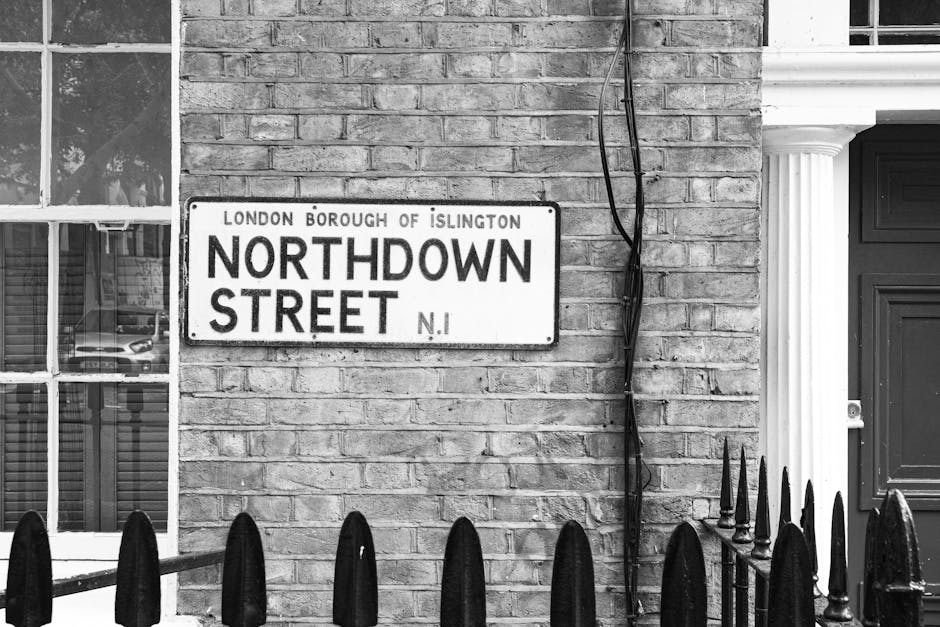
Commercial cleaning Islington Upper Street shops and offices
Posted on 07/07/2026
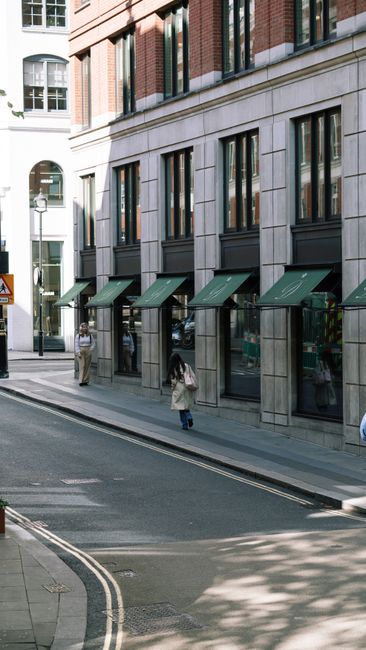
Upper Street has its own rhythm. Shops open early, offices fill up fast, footfall never really stops, and by late afternoon there's usually a familiar mix of dust, coffee rings, tracked-in grit, fingerprints on glass, and the odd spill by the doorway. If you manage a business here, commercial cleaning Islington Upper Street shops and offices is not just about looking tidy. It is about staying presentable, protecting your team, and making sure customers walk in and think, yes, this place is cared for.
That sounds simple, but in practice it takes planning. Different premises need different routines, and a good cleaning plan has to work around trading hours, staff movement, stock, and the realities of a busy London street. This guide breaks down what commercial cleaning involves, how it works, what to look for, and how to avoid the kind of small mistakes that quietly become big problems. If you are comparing options, or you simply want a better handle on what "good" looks like, you're in the right place.
Why Commercial cleaning Islington Upper Street shops and offices Matters
On Upper Street, appearances do real work. A clean shopfront can be the difference between a quick browse and a sale. A clean office can change how people feel about arriving for the day, especially in a place where clients, suppliers, and team members may be coming and going constantly. To be fair, most customers do not consciously inspect every surface. They just notice the feeling of a place. Fresh air, clean floors, uncluttered counters, and bathrooms that do not make anyone hesitate. That is the standard people remember.
There is also the less glamorous side. Commercial spaces pick up dirt in ways homes usually do not. More shoes, more hands touching more surfaces, more packaging, more coffee, more rainwater dragged in from the pavement. Shops face display dust and smudged glass; offices deal with keyboards, shared desks, bins, meeting rooms, kitchen areas, and the usual tiny daily mess that somehow appears out of nowhere. Commercial cleaning islington Upper Street shops and offices helps keep those issues under control before they become visible problems.
It also matters for consistency. A one-off tidy-up can make a place look better for a day. A proper routine keeps standards steady through the week, even when the business is busy. That's especially useful around seasonal spikes, staff changes, late deliveries, or event nights nearby. If your business depends on customer trust, comfort, or first impressions, cleaning is part of the service, not separate from it.
If you want a broader sense of how this fits into local services, you can also look at the wider services overview and the dedicated office cleaning Islington page for a closer match to workplace needs.
How Commercial cleaning Islington Upper Street shops and offices Works
Most commercial cleaning starts with a walk-through or a short scoping conversation. That is where the cleaner learns what kind of site it is, how often it needs attention, what surfaces matter most, and which areas need extra care. A retail unit with glass frontage and customer traffic needs a different approach from a quiet back-office space with carpet, desks, and kitchen facilities.
In a typical setup, the cleaning plan is split into zones and frequencies. For example, daily tasks might include bins, floors, touchpoints, washrooms, and visible front-of-house areas. Weekly or fortnightly tasks might include skirting, deeper dusting, internal glass, kitchen descaling, or more detailed floor treatment. Periodic tasks can include deep cleaning, carpet cleaning, upholstery care, or a more substantial reset after an event or seasonal rush.
The practical part is scheduling. A good provider will work around opening hours, delivery windows, staff access, alarm systems, and any quiet periods you want preserved. In a busy area like Upper Street, late evening or early morning access can make life easier. Some businesses prefer a discreet clean before trading begins; others want an after-hours service so staff arrive to a fresh space. There is no single perfect model. The right one depends on how your premises actually function.
There is also a materials question. Different floors, counters, fixtures, and fabrics need different methods. A hard floor in a retail setting may need a neutral cleaner and the right mop system to avoid residue. Office carpets may need more careful vacuuming and the occasional deeper treatment. High-touch points like door handles, switches, and reception counters need special attention because they see constant use. You notice the difference fast when those areas are missed. Not in a good way.
Key Benefits and Practical Advantages
The obvious benefit is presentation. A clean shop or office feels sharper, calmer, and more professional. But the practical advantages go further than looks.
- Better first impressions: Customers and visitors often judge a business in seconds.
- More usable workspaces: Staff work better in spaces that are tidy and well maintained.
- Less buildup over time: Regular cleaning stops grime becoming embedded in carpets, grout, and corners.
- Reduced disruption: Planned cleaning is easier than dealing with surprise messes later.
- More consistent standards: A routine creates predictable quality, which is very helpful in customer-facing spaces.
- Better maintenance of fixtures: Careful cleaning can help surfaces, flooring, and soft furnishings last longer.
There is a quieter benefit too: confidence. When staff know the environment is being looked after, they tend to take more pride in their own part of the space. That can show up in surprisingly small ways, like a reception desk being kept clear or the staff kitchen staying under control. It's not magic, just good habits fed by a good baseline.
For businesses that also use soft furnishings or carpeted areas, it can make sense to combine routine commercial cleaning with specialist treatments such as carpet cleaning Islington or, where the space has waiting areas and lounges, upholstery cleaning Islington. That layered approach often works better than relying on surface cleaning alone.
Who This Is For and When It Makes Sense
This kind of cleaning is for a lot more than large corporate offices. Upper Street has a mix of premises, and many of them benefit from some form of regular commercial cleaning.
- Shops and boutiques: Especially those with glass fronts, changing areas, stock rooms, or customer seating.
- Offices and studios: Open-plan spaces, meeting rooms, shared kitchens, and reception areas all need upkeep.
- Professional practices: Places where calm, hygiene, and trust matter immediately.
- Hospitality-adjacent spaces: Offices or retail units that host events, tastings, launches, or client visits.
- Small independents: Businesses that do not have in-house cleaning staff but still need regular standards.
It makes sense when daily mess starts stealing time from your team. If staff are sweeping floors between customers, wiping counters before every client visit, or quietly apologising for the state of the kitchen, that is a sign the cleaning routine needs a proper reset. And yes, it's a common one.
Commercial cleaning can also be useful after refurbishments, before inspections, after busy events, or during seasonal trading periods when traffic rises. If you are managing a larger building or a multi-use space, it may also be worth looking at a broader deep cleaning Islington option for the areas that need more than a regular maintenance clean.
Step-by-Step Guidance
If you are setting up or reviewing a cleaning arrangement for a shop or office, it helps to think in steps rather than jumping straight to price.
- Walk the premises properly. Note customer areas, work zones, kitchens, washrooms, bins, storage rooms, and anything fragile or high value.
- Define what matters most. For some businesses it is glass and floors; for others it is desks, bathrooms, or food prep cleanliness.
- Set the frequency. Decide what needs daily attention, what can be weekly, and what should be scheduled less often.
- List access details. Keys, alarms, shutters, parking, entry instructions, and any security steps need to be clear from the start.
- Agree on the cleaning scope. The scope should be specific enough to avoid assumptions. "Office clean" can mean very different things to different people.
- Build in review points. Check the first few visits carefully and adjust the plan if needed.
- Keep records. A simple checklist or log helps you track consistency and spot recurring issues.
One practical tip: do not start with the most expensive option unless you need it. A well-designed maintenance plan often works better than sporadic heavy cleans. You may find that daily basics plus periodic specialist work is a smarter fit than trying to do everything all at once.
If budget planning matters, it helps to compare package structure and scope rather than just the headline number. The page on pricing and quotes is a sensible place to start if you want to understand how different jobs are usually assessed.
Expert Tips for Better Results
In our experience, the best commercial cleaning outcomes come from clarity, not just effort. A cleaner can only do so much if the brief is fuzzy. Here are a few habits that make a real difference.
- Prioritise touchpoints: Handles, switches, rails, counters, and shared equipment should never be treated as an afterthought.
- Use the right cadence: A light daily clean and a deeper periodic clean usually beats one intense session every now and then.
- Match products to surfaces: Harsh products on the wrong material can leave streaks, residue, or wear.
- Protect staff routines: Ask cleaners to work around the parts of the day when your team is busiest.
- Check the "hidden" spaces: Under counters, behind doors, around skirting, and under desks collect dust more quickly than people expect.
Two small but useful habits: keep spare liners, paper towels, or cleaning cloths in the right spots, and make sure bins are never overfilled before a cleaning visit. It sounds basic, but basic things are often where the whole system either works or falls apart. Also, if you have ever walked into a shop at 8:30am and smelled stale mop water, you already know why drying and ventilation matter.
For premises that need one-off resets after a rush or a special event, it may be worth looking at one-off cleaning Islington, especially when you do not need a standing contract but still need a proper professional finish.
Common Mistakes to Avoid
Some cleaning problems are caused by poor workmanship. Others are caused by bad planning. A lot of businesses make the same avoidable mistakes, and they usually only notice once standards have slipped.
- Being vague about scope: If you do not specify what should be cleaned, assumptions creep in.
- Ignoring opening patterns: A schedule that clashes with deliveries, client meetings, or staff changeovers creates friction.
- Overlooking washrooms and kitchens: These areas can undermine the whole impression of a well-kept business.
- Choosing purely on price: The cheapest option can become expensive if it misses key tasks or causes damage.
- Skipping regular reviews: If nobody checks the standard, small issues stay small only until they are not.
- Forgetting specialist care: Carpets, upholstery, and certain floor types need more than a quick sweep or vacuum.
A less obvious mistake is underestimating staff habits. If people eat at their desks, leave packaging in shared areas, or use the same entrance all day, the cleaning plan should reflect that reality. Cleaning plans should serve the space, not the other way round. Simple enough, but it gets missed all the time.
And one more thing: if you are managing a mixed-use space or a premises with both retail and office functions, do not use a one-size-fits-all approach. It almost never ages well.
Tools, Resources and Recommendations
You do not need a warehouse full of gear to keep a commercial property in good shape, but the right tools matter. The basics should be chosen for reliability and fit, not fancy branding.
- Microfibre cloths: Good for dust, glass, and general wipe-downs when used correctly.
- Colour-coded cleaning equipment: Helps reduce cross-contamination between areas.
- Commercial vacuum cleaners: Better suited to heavier footfall and larger floor areas.
- Floor-care products: Different surfaces need different treatment, especially in high-traffic spaces.
- Sanitising supplies: Particularly useful for shared touchpoints and staff areas.
- Checklists: Simple, practical, and honestly underrated.
As for resources, the most helpful ones are usually internal: a clear site brief, an agreed cleaning scope, a list of priorities, and a realistic review process. That may not sound glamorous, but it works. If your business is planning a broader refresh, spring cleaning Islington can be a useful fit for the reset-style jobs that sit outside normal weekly maintenance.
You may also find it useful to understand the wider company background and service approach through the about us page, especially if trust and continuity matter for your team.
Law, Compliance, Standards, or Best Practice
Commercial cleaning touches on several practical compliance areas, even if it is not the most dramatic part of business life. That means contracts, insurance, health and safety, access control, waste handling, and sensible working methods all deserve attention.
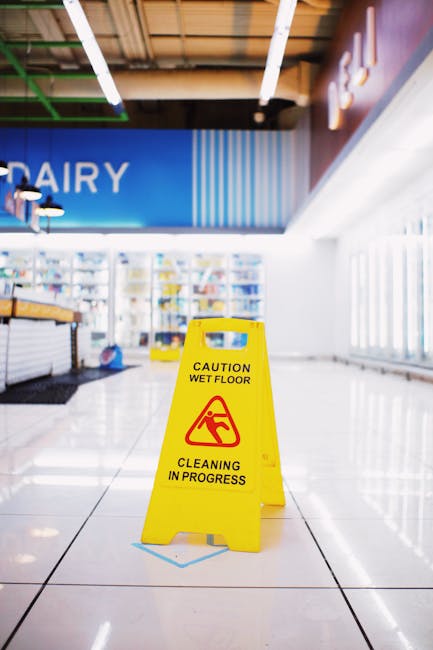
In the UK, businesses are generally expected to keep workplaces reasonably safe and maintained. For cleaning, that usually means using safe systems of work, handling chemicals properly, reducing slip risks, and making sure staff and cleaners know about any hazards on site. Exact duties vary depending on the premises and the working arrangement, so it is wise to treat this as a live operational issue rather than a box-ticking exercise.
From a best-practice point of view, you should expect:
- clear task lists and scope definitions
- appropriate insurance and safety procedures
- careful handling of equipment and consumables
- respect for access, security, and confidentiality
- documentation for recurring work or special instructions
Where a business has special materials, customer-sensitive spaces, or a public-facing environment, the cleaning standard should be even more deliberate. It is not just about hygiene. It is about professionalism, liability, and common sense. The insurance and safety information is worth reviewing if you want to understand how a proper provider frames those responsibilities.
You should also look for clear policies around complaints, terms, and privacy. Those details matter more than people think, particularly if cleaners will be working outside normal business hours or in areas with sensitive documents and stock.
Options, Methods, or Comparison Table
Different commercial cleaning setups suit different businesses. The table below gives a practical comparison, not a rigid rulebook.
| Approach | Best for | Pros | Watch-outs |
|---|---|---|---|
| Daily maintenance cleaning | Busy shops and offices with regular footfall | Keeps standards steady, low buildup, better presentation | Needs clear scope and consistent scheduling |
| Weekly cleaning | Smaller offices or low-traffic retail spaces | More budget-friendly, easier to organise | May not be enough for high-use areas |
| Deep cleaning | Seasonal resets, post-event work, or neglected areas | Targets built-up grime and hidden dirt | More time-consuming and often less frequent |
| One-off cleaning | Special launches, short-term cover, or urgent refreshes | Flexible and fast to arrange | Not a substitute for routine upkeep |
The right choice is usually a mix. A busy shop might need daily front-of-house cleaning, weekly detail work, and a seasonal deeper clean. A smaller office might do perfectly well with a weekly clean plus a scheduled carpet or upholstery refresh every so often. Simpler is often better, but only if it is honest about actual use.
Case Study or Real-World Example
Imagine a small Upper Street business with a retail floor at the front and a compact office space at the back. In the morning, staff open shutters, sweep away grit, wipe the counter, and make sure the windows are clear. By midday, fingerprints have returned, the staff kitchen has a few cups stacked by the sink, and the entrance mat is doing its best against the weather outside. By Friday, the carpet along the entrance line is already showing the week's traffic.
That kind of space does not usually need heroic cleaning. It needs rhythm. A sensible setup might include:
- daily front-of-house attention
- regular waste removal and kitchen cleaning
- weekly deeper dusting and floor care
- periodic carpet treatment for the entrance zone
The result is not flashy. It just feels easier to run. Staff spend less time doing the "small cleaning jobs" themselves, customers see a more polished business, and managers stop firefighting the same messes every week. That last part is underrated, honestly. Cleaning that works well tends to disappear into the background, which is exactly what you want.
If your space has soft furnishings in customer areas, pairing routine care with specialist support such as sofa cleaning advice can help you avoid surprise wear and hidden costs when upholstery starts looking tired.
Practical Checklist
Use this checklist when reviewing or setting up commercial cleaning for shops and offices on Upper Street.
- Scope is clear: Every regular task is written down.
- Areas are prioritised: Front-of-house, washrooms, kitchen, and work areas are all covered.
- Schedule suits trading hours: Cleaning does not disrupt staff or customers.
- Access is organised: Keys, alarms, and entry instructions are confirmed.
- High-touch points are included: Handles, switches, counters, and shared equipment are not missed.
- Floor care is defined: Vacuuming, mopping, and any specialist treatment are agreed.
- Deep-clean intervals are set: The business knows when extra work is due.
- Cleaning products are appropriate: Surfaces and materials are protected.
- Reviews happen regularly: Standards are checked and adjusted.
- Budget is realistic: The plan matches the space, not an idealised version of it.
That may look straightforward, but a good checklist stops a lot of avoidable friction. It also makes quoting easier, because everyone is talking about the same job.
Get a free quote today and see how much you can save.
Conclusion
Commercial cleaning Islington Upper Street shops and offices is really about keeping your business steady, welcoming, and easy to run. The best results come from a plan that fits the space, respects the schedule, and handles the everyday mess before it gets noticed. For busy streets like Upper Street, that consistency matters more than most people realise.
If you are deciding between maintenance cleaning, a one-off reset, or a more structured package, start with the realities of your premises: footfall, flooring, front-of-house visibility, staff habits, and the sort of impression you want to make. Get those right and the rest becomes much simpler. Not effortless, perhaps, but simpler.
And if you are still weighing things up, that is normal. A good cleaning setup should feel like a support system, not another admin headache. When it works, you barely think about it. The place just feels right.