Pub upholstery cleaning near Sadlers Wells Islington case study
If you run or manage a pub near Sadlers Wells in Islington, you already know the furniture takes a beating. Spills happen fast, guests move quickly, staff are busy, and upholstery quietly collects odours, dust, grease, and the odd mystery stain. A well-planned Pub upholstery cleaning near Sadlers Wells Islington case study is useful because it shows what actually works in a real hospitality setting, not just in theory.
This guide breaks down how pub seating is assessed, cleaned, protected, and maintained without turning the place upside down for too long. It also explains the practical decisions behind choosing the right method, why the location matters, and what you should expect from a professional clean. Truth be told, pub upholstery is one of those things people only notice when it goes wrong. Better to stay ahead of it.
We will look at the process, benefits, common mistakes, compliance considerations, and a realistic case study-style example based on the sort of challenges many London venues face. If you are comparing options, or just trying to keep your pub looking sharp on a busy Islington street, this should help.
Table of Contents
- Why Pub upholstery cleaning near Sadlers Wells Islington case study Matters
- How Pub upholstery cleaning near Sadlers Wells Islington case study Works
- Key Benefits and Practical Advantages
- Who This Is For and When It Makes Sense
- Step-by-Step Guidance
- Expert Tips for Better Results
- Common Mistakes to Avoid
- Tools, Resources and Recommendations
- Law, Compliance, Standards, or Best Practice
- Options, Methods, or Comparison Table
- Case Study or Real-World Example
- Practical Checklist
- Conclusion
- Frequently Asked Questions
Why Pub upholstery cleaning near Sadlers Wells Islington case study Matters
Pub upholstery gets tested in a way domestic furniture never really does. In a pub near Sadlers Wells, you are dealing with a mix of foot traffic, food service, drink spillages, winter wet coats, cigarette smoke drift from outside, and the occasional late-night mishap. That combination leaves a mark. Sometimes literally.
The point of a case study approach is that it helps you understand how the job is handled in practice. Not just "the chairs were cleaned," but what was soiled, what method was chosen, what drying time was acceptable, and how the result was managed around opening hours. That matters because upholstery cleaning in a pub is not just a cosmetic job. It affects customer perception, hygiene, odour control, and the lifespan of the furniture.
In a busy London hospitality setting, the seating is part of the experience. People may not compliment the banquettes, but they do notice if they smell stale or look grubby. A tired-looking room can quietly drag down the whole atmosphere. And let's face it, once upholstery has absorbed enough drink residue and general pub life, spot cleaning alone usually does not cut it.
There is also a business-side reason. Replacing upholstered seating is expensive and disruptive. Regular cleaning helps extend usable life, delay refurbishment, and maintain a more polished look between deeper fit-out cycles. For venues around Islington, where presentation can influence repeat custom, that is not a small thing.
For readers already comparing broader cleaning support, related services such as commercial cleaning or commercial carpet cleaning can be useful to look at alongside upholstery care, especially where a pub has mixed flooring and seating areas.
How Pub upholstery cleaning near Sadlers Wells Islington case study Works
A proper upholstery clean in a pub usually starts with assessment. That sounds simple, but it is where good results begin. The cleaner needs to identify the fabric type, construction, level of soiling, visible stains, odour issues, and any delicate trims or old repairs. Velvet, synthetic blends, faux leather, and heavy-duty commercial textiles all respond differently. One method does not fit all.
Next comes dry soil removal. This is an often-skipped step, but it matters. Loose grit, crumbs, dust, and debris are removed first so they do not get pushed deeper into the fibres during wet cleaning. Think of it as the boring part that saves the important part.
After that, the cleaner will usually test a small area. That tiny patch check can reveal colour bleed, texture changes, or reaction to the chosen solution. In hospitality cleaning, especially in older venues, this step is worth the extra few minutes. No one wants to find out the wrong way that a fabric dislikes a particular product.
Once testing is done, the main cleaning method is selected. In many cases this will be hot water extraction, low-moisture cleaning, or targeted stain treatment combined with agitation. The best approach depends on the material and the time available for drying. In a pub, long downtime is inconvenient, so low-moisture options can be useful where appropriate. But if the upholstery is heavily soiled, deeper extraction may be the better call.
After cleaning, the fabric is often groomed and checked for remaining marks, wicking, or odour. Drying is a big deal. If furniture stays damp too long, it can develop a stale smell or just feel unpleasant for guests. Fans, ventilation, and planning around service times all help.
Good cleaners also work around the pub's operating rhythm. A lot of venues near Sadlers Wells will need an early morning start, a split clean, or work carried out in quieter midweek windows. That practical scheduling piece is easy to underestimate. It is not glamorous, but it makes all the difference.
Key Benefits and Practical Advantages
There are several concrete reasons to invest in upholstery cleaning rather than just patching visible marks.
- Improved appearance: Seating looks brighter, fresher, and better cared for. Customers notice this even if they do not say it out loud.
- Better odour control: Pubs naturally absorb smells. Cleaning helps reduce lingering drink, food, and smoke-related odours from fabric surfaces.
- Longer furniture life: Dirt acts like sandpaper in textiles. Removing it helps reduce wear over time.
- More professional atmosphere: A clean interior supports the overall brand and guest experience.
- Less visible staining: Regular treatment can stop old spills from becoming permanent features of the room.
- Better hygiene confidence: While upholstery cleaning is not a substitute for general hygiene management, it does help keep high-contact seating in better condition.
There is a quieter benefit too. A clean, odour-free room tends to feel calmer. Guests settle in more easily. Staff do not have to apologise for a sofa that looks a bit past it. Small thing? Maybe. But pubs are built on small things.
For venues with mixed surfaces, combining upholstery care with sofa cleaning, rug cleaning, or stain removal can create a more complete refresh without needing a full refurb.
Who This Is For and When It Makes Sense
This kind of cleaning is relevant to a wide range of pub operators, not just the obvious big venues. If your pub has upholstered booths, banquettes, dining chairs, lounge seating, or fabric-covered stools, the service is relevant. It is especially sensible if the venue has:
- high evening footfall
- food service alongside drinks
- light-coloured or textured fabric seating
- persistent odour issues
- visible wear in guest-facing areas
- pre-booked events or private hire spaces
- an older interior that needs careful handling
It also makes sense before busy seasonal periods. In a neighbourhood like Sadlers Wells and wider Islington, venue owners often want the room looking sharp ahead of theatre nights, weekend trade, or event bookings. You know the feeling: one busy Friday can undo a week of careful tidying, so timing matters.
If you are a general manager, operations lead, landlord, or venue fit-out planner, upholstery cleaning is often a maintenance task that sits somewhere between housekeeping and asset care. That is exactly where it should be. Not glamorous, not optional.
Step-by-Step Guidance
If you want a realistic view of how a pub upholstery clean usually unfolds, this is the practical route.
- Inspect the seating: Identify fabric type, stain locations, problem zones, and any fragile areas. Photographing before and after can help with record-keeping.
- Clear the area: Move portable furniture and protect nearby tables, skirting, or wooden finishes from overspray.
- Vacuum thoroughly: Remove dry dirt, crumbs, and loose debris from seams, edges, and under cushions.
- Test the fabric: Check a hidden area for colourfastness and texture response.
- Treat stains individually: Food, drink, grease, and organic marks often need different spot treatment approaches.
- Clean the full surface: Apply the chosen method evenly so patchiness does not appear after drying.
- Extract or remove moisture carefully: Too much water slows drying and can create odour problems.
- Speed up drying: Improve air flow and keep the space ventilated where possible.
- Inspect once dry: Look for remaining marks, shadowing, or areas that may need a second pass.
- Plan aftercare: Set a maintenance schedule and note any recurring spill hotspots.
That final point is often overlooked. If one corner booth always picks up lager spills or one dining zone shows heavy hand marks from polished wood tables and fabric arms, record it. Patterns tell you where to focus next time.
Expert Tips for Better Results
In our experience, the best upholstery results come from a mix of method and restraint. A heavy-handed clean can do more harm than good, especially on older pub seating.
Start with the least aggressive method that can still do the job. If the fabric responds well to low-moisture treatment, there is no need to flood it. Too much moisture can lead to longer drying and possible re-soiling.
Work room by room, not all at once. This helps control drying and makes it easier to manage guests or staff movement. A phased approach is often much less disruptive.
Deal with odours as well as visible dirt. Some upholstery looks fine but still smells stale. That is especially common near beer, food, and fabric that has not been deep cleaned in a while.
Keep a stain history. Sounds a bit fussy, maybe, but it helps. If a fabric marks repeatedly in the same spot, you may need a different protective strategy or a change in how that area is used.
Use the cleaning schedule to spot asset issues. Loose seams, flattened padding, or broken fixings often become obvious during cleaning. Better to catch them early than after a customer does.
And one small note from the real world: always check what the venue team thinks is "just a stain." Sometimes it is a seasonal battle scar. Sometimes it is a structural problem hiding under the fabric. Not always obvious at first glance.
Common Mistakes to Avoid
Pub upholstery cleaning goes wrong in predictable ways, which is actually useful because it means they are avoidable.
- Using one product on everything: Different fabrics need different treatment. A one-size-fits-all cleaner is rarely the answer.
- Over-wetting the fabric: This can leave the seating damp for too long and create unpleasant smells.
- Ignoring the frame or under-seat areas: Dirt often gathers where guests never see, but odour can travel from there.
- Cleaning only the visible mark: Spot-only cleaning can leave halos or uneven colour around the stain.
- Not planning drying time: If you clean too close to opening hours, the room may not be ready.
- Skipping a test patch: This is a classic mistake and an expensive one if colour changes appear.
- Leaving maintenance too long: Once grime builds up, cleaning becomes slower and less consistent.
Another common issue is trying to "freshen up" upholstery with fragrance alone. It might smell pleasant for an hour. Then the underlying issue comes right back. Better to clean properly and let the room breathe a bit.
Tools, Resources and Recommendations
You do not need a warehouse full of equipment to understand good upholstery care, but you do need the right basics. A professional clean will often involve specialised vacuuming tools, fabric-safe stain treatments, extraction equipment, and controlled drying methods. For pub settings, the following are especially useful:
- Commercial vacuuming tools: helpful for seams, edges, and textured upholstery
- Fabric-safe spot treatments: used carefully for drink, food, and grease marks
- Low-moisture or extraction equipment: chosen according to the fabric and drying window
- Microfibre cloths and absorbent pads: useful for controlled blotting and aftercare
- Protective covers or signage: practical during drying periods or after a clean
For wider venue upkeep, it can also help to keep a maintenance schedule that includes deep cleaning, one-off cleaning, and related treatments such as pet stain odour removal for hospitality spaces that have friendly dogs visiting, which does happen in some pubs and does matter more than you might think. The wording sounds odd, but the principle is simple: match the tool to the problem.
For businesses comparing wider service support, the company's pricing and quotes page can help set expectations, while insurance and safety is worth reviewing when work is being carried out in customer-facing areas. The extra paperwork may not be exciting. It is still worth checking.
Law, Compliance, Standards, or Best Practice
Pub upholstery cleaning is not usually a heavily regulated activity in itself, but it sits inside a wider duty of care around safety, cleanliness, and risk management. That means the best approach is to work in line with sensible UK commercial cleaning practice and the venue's own policies.
For example, if cleaning is carried out during trading hours or in partial service windows, staff and contractors should think about slip risks, trip hazards from hoses or cables, and clear communication with the front-of-house team. Wet fabric, damp floors, and busy service routes do not mix well. Common sense, but worth saying plainly.
It is also normal best practice to check product labels, fabric compatibility, and drying advice before use. Where a venue has internal health and safety procedures, those should guide access, ventilation, and isolation of areas being cleaned. If the property has older furnishings or mixed materials, extra caution is sensible.
Documentation matters too. A brief record of what was cleaned, what products were used, and any issues found can help if the venue later needs to track recurring odours, stain sources, or maintenance frequency. That kind of note-taking is not glamorous, but it makes life easier.
If you want to understand the company's broader operating approach, it may help to read the health and safety policy, terms and conditions, and privacy policy. Those pages help set expectations around service delivery, data handling, and practical working standards.
Options, Methods, or Comparison Table
Different upholstery cleaning methods suit different pub environments. Here is a simple comparison to make the choice clearer.
| Method | Best for | Pros | Watch-outs |
|---|---|---|---|
| Hot water extraction | Heavily soiled, durable fabric seating | Deep cleaning, strong soil removal | Longer drying time, not ideal for all fabrics |
| Low-moisture cleaning | Busy venues with limited downtime | Faster turnaround, less disruption | May need more careful stain targeting |
| Spot treatment only | Small fresh marks | Quick and useful for minor spills | Can leave halos or missed embedded dirt |
| Protective maintenance clean | Regular upkeep between deep cleans | Helps keep fabrics fresher for longer | Not a replacement for periodic deep cleaning |
So which method is best? That depends on the seat fabric, the level of soiling, and how quickly the room needs to be back in service. In practice, many pubs benefit from a mix: periodic deeper work plus lighter maintenance in between. Simple really. Well, simple in theory.
Case Study or Real-World Example
Here is a realistic example based on the kind of situation commonly seen in a pub near Sadlers Wells in Islington.
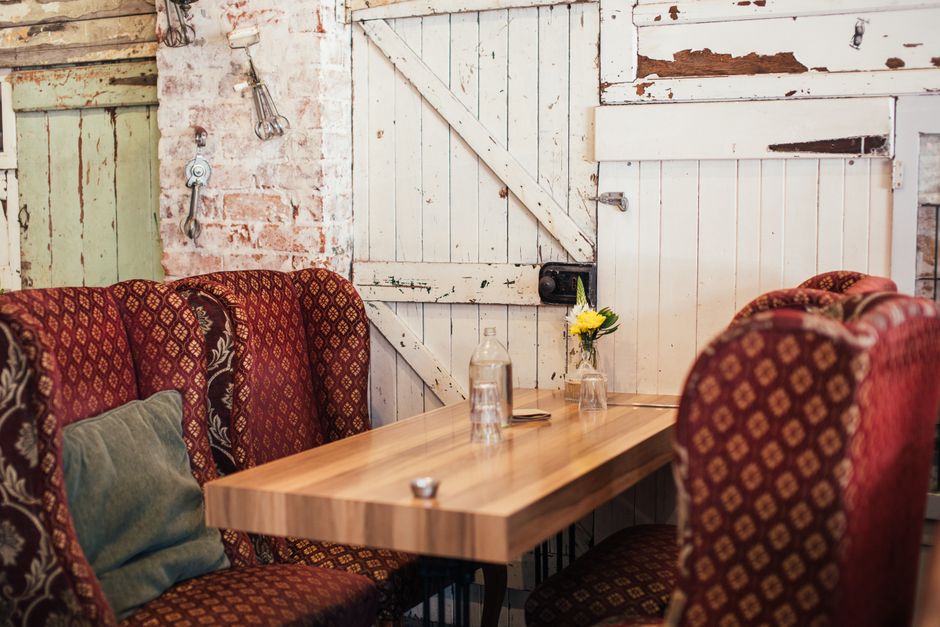
A mid-sized venue with upholstered booth seating noticed several problems at once: drink rings on the seat cushions, lingering odour near the busiest corner tables, and dull-looking fabric that no longer matched the polished look of the rest of the interior. Staff had been spot-cleaning, but the results were uneven. Some marks faded, some returned, and a few areas started to look patchy. Not ideal, especially before a busy weekend.
The cleaning plan started with a full inspection. The seating was checked for fabric type, older wear, and the worst traffic areas. A test patch was carried out before any full treatment, and the chosen method combined dry soil removal with targeted stain pre-treatment and a controlled low-moisture clean. The team worked in stages so the venue could keep part of the room available while the other section dried.
The main change was not just visual. Odours dropped noticeably, the seating looked more even across the room, and the staff reported fewer complaints about sticky or tired-looking booths. In a space like this, those small changes add up. A lot.
What made the difference was not one miracle product. It was the sequence: inspect, test, treat, clean, dry, check, and then plan the next maintenance cycle. That is the part people often miss. Good upholstery care is a process, not a one-off fix.
Key takeaway: In pub settings, the best upholstery cleaning is the one that restores appearance without causing downtime, moisture problems, or fabric damage. The method should fit the room, not the other way around.
Practical Checklist
Use this checklist before booking or scheduling a pub upholstery clean.
- Identify all upholstered items that need attention
- Note the fabric type where possible
- List visible stains and odour concerns
- Decide which areas can be temporarily taken out of use
- Check opening times and the least disruptive cleaning window
- Ask whether a test patch will be done first
- Confirm how drying time will be managed
- Ask what happens if a stain needs a second treatment
- Review health and safety expectations for work in a live venue
- Plan a future maintenance interval so the work lasts longer
If you are managing more than one hospitality space, keep the notes together. You will spot patterns faster than you think.
Conclusion
A good Pub upholstery cleaning near Sadlers Wells Islington case study shows that the real value of the service is not just cleaner fabric. It is a better guest experience, stronger presentation, lower odour, and less wear on furniture that would otherwise age too quickly. In a busy London pub, that matters every week, not just once in a while.
The most effective approach is careful, methodical, and matched to the fabric and the venue's trading pattern. If you get the timing right and choose the right cleaning method, the room feels fresher without turning your day upside down. That is the sweet spot, really.
Get a free quote today and see how much you can save.
When the seating looks right, the whole pub feels more welcoming. And honestly, that little lift can change the mood of the room more than people expect.
Frequently Asked Questions
How often should pub upholstery be cleaned?
It depends on footfall, fabric type, and how much food and drink service the venue handles. Many pubs benefit from regular maintenance with deeper cleaning scheduled when visible soiling or odour begins to build.
Is steam cleaning safe for pub upholstery?
Sometimes, but not always. "Steam cleaning" is often used loosely, so the real question is whether the chosen method suits the fabric. Some materials handle moisture well; others do not. A test patch is the sensible starting point.
Can upholstery cleaning remove old drink stains?
Often it can reduce or remove them, but results depend on the fabric, how long the stain has been there, and whether previous products were used on it. Old stains may need more than one treatment.
Will the pub need to close during cleaning?
Not necessarily. Many jobs can be scheduled around opening hours or done in sections. The key is planning drying time and keeping guest areas safe while the work is underway.
How long does upholstered seating take to dry?
Drying time varies by method, fabric, ventilation, and room conditions. Low-moisture cleaning usually allows faster turnaround, while deeper extraction can take longer. Good airflow helps a lot.
What is the difference between spot cleaning and full upholstery cleaning?
Spot cleaning targets a specific mark. Full upholstery cleaning treats the whole surface so the result is more even and the fabric does not end up with patches or water marks.
Can odours be removed from pub seating?
Yes, often to a significant degree, especially if the odour is coming from embedded dirt, spills, or smoke residue. Very strong or long-standing odours may need repeated treatment or additional care.
Is upholstery cleaning worth it for older pub furniture?
Usually yes. Older seating can still look much better after proper cleaning, and in many cases the work helps extend its useful life. If the structure is failing, cleaning will not fix that, but it can improve appearance and comfort.
What should I ask before booking a cleaner?
Ask about fabric testing, drying time, stain handling, working hours, insurance, and what happens if a stain proves stubborn. Those questions save hassle later. They really do.
Does upholstery cleaning help with hygiene?
It supports a cleaner environment by removing soil and residues from high-contact surfaces. It is not a substitute for wider hygiene routines, but it is an important part of keeping guest areas in good condition.
How do I compare upholstery cleaning options?
Look at method, drying time, fabric safety, experience with hospitality settings, and whether the provider understands live trading environments. Price matters, of course, but fit and reliability matter just as much.
Can related cleaning services be combined in one visit?
Yes, often they can. In many venues it makes sense to combine upholstery work with carpet or sofa care, depending on what needs attention. That can reduce disruption and keep the space looking consistent.