Communal Area Cleaning in Islington

Communal area cleaning in Islington is an essential service for landlords, housing associations, managing agents, resident-led blocks, and commercial buildings that want shared spaces to stay tidy, hygienic, and welcoming. In a busy part of North London like Islington, communal spaces see constant footfall, mixed use, and the everyday build-up of dust, litter, marks on doors, and grime on touch points. Stairwells, lobbies, lifts, bin stores, entrance halls, and shared corridors all need regular care to stay presentable and safe.
For local property owners and managers, the right cleaning service does more than improve appearance. It supports tenant satisfaction, reduces complaints, helps protect finishes, and keeps common parts in a condition that reflects well on the whole building. Whether you manage a Victorian conversion near Angel, a modern apartment block in Holloway, or a mixed-use property close to Highbury Corner, reliable communal cleaning can make a noticeable difference every day.
We understand the practical demands of Islington properties. Tight access, limited parking, shared entry systems, and busy resident schedules can make cleaning shared areas more challenging than a standard domestic job. That is why a local, flexible team matters. A professional approach should fit the building, the residents, and the way the space is actually used.
Why communal cleaning matters in Islington
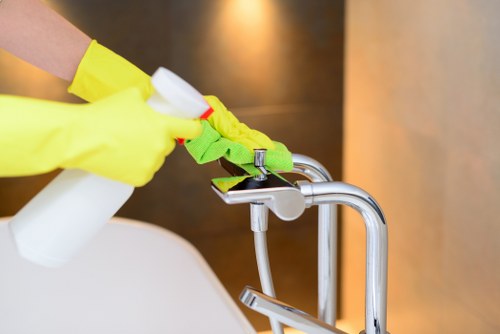
Islington has a wide mix of property types, from period mansion blocks and converted terraces to newly built developments and busy commercial premises. Each one has different cleaning needs, but the common goal is the same: keeping shared spaces clean, safe, and pleasant for everyone who uses them. Areas such as Archway, Barnsbury, Canonbury, Caledonian Road, Finsbury Park, Tufnell Park, and Angel all include properties that benefit from regular upkeep of communal parts.
In places where people are coming and going throughout the day, dirt builds up quickly. Mud from pavements, rainwater, dust from road traffic, packaging from deliveries, and fingerprints on glass or push plates can make a building feel neglected very quickly. A consistent schedule for communial area cleaning in Islington helps prevent that build-up and keeps the property looking cared for between resident visits, inspections, or commercial use.
Shared cleaning is not just about appearance. It also supports hygiene, reduces slip risks, and makes it easier to spot maintenance issues such as leaks, damaged lights, stained ceilings, pests, or blocked bin areas before they become bigger problems.
What is included in communal area cleaning?

The exact service can be tailored to the building, but communal area cleaning usually covers the parts of the property used by multiple residents, tenants, visitors, or staff. These areas often require a methodical routine rather than a quick tidy-up. A good service should be able to work around access arrangements, building rules, and the specific materials found in the property.
Typical tasks may include:
- Cleaning entrance halls and shared lobbies
- Dusting and wiping banisters, railings, ledges, and skirting boards
- Mopping, sweeping, or vacuuming communal floors
- Cleaning internal glass, mirrors, and door panels
- Wiping down hand contact points such as push plates, handles, and intercom areas
- Removing litter and light debris from shared corridors and landings
- Cleaning lift interiors, buttons, and surrounds
- Keeping bin stores and refuse areas tidy where required
- Spot-cleaning marks on walls, doors, and switches
- Reporting issues noticed during the clean, such as damage or fly-tipping
Not every building needs the same routine. For example, a small conversion may only need a weekly clean, while a larger block with higher occupancy may need more frequent visits. Commercial common areas, serviced buildings, and mixed-use properties may also need different attention depending on how the space is used.
Local service for the buildings Islington is known for
One reason people look specifically for communal cleaning in Islington is the area’s varied building stock. Older properties often have narrow staircases, ornate details, delicate surfaces, and shared entrances that need careful handling. Newer buildings may have glass, stainless steel, polished floors, and lift areas that show smudges and dust more easily. A local cleaning team is better placed to understand how to care for both types without causing unnecessary wear.
Islington streets can also present logistical issues. Parking is limited in many parts of the borough, access may be through coded doors or managed entry systems, and some properties have strict timing requirements for waste collection or resident access. A local provider used to working in the area is more likely to plan around these challenges and arrive prepared for them.
That local familiarity matters when your building needs regular attention with minimal disruption. Whether the property is near Upper Street, Essex Road, Old Street, Holloway Road, or a quieter residential side street, the service should be organised around practical access and building routines rather than a one-size-fits-all approach.
Who uses communal area cleaning services?

Communal area cleaning is useful for a wide range of customers across Islington. It is not limited to large apartment complexes. In fact, many of the most common requests come from smaller properties that still have shared areas and recurring cleaning needs.
Typical customers include:
- Private landlords who want shared entrances, stairs, and hallways kept in good condition
- Managing agents who need dependable scheduled cleaning for multiple buildings
- Resident management companies that need a service residents can rely on
- Housing associations responsible for maintaining common parts to a clear standard
- Block managers overseeing flats, maisonettes, and converted properties
- Commercial landlords with shared office entrances, stairwells, or reception spaces
- Mixed-use premises where shops, offices, and residential units share access areas
Because each customer type has different expectations, a cleaning plan should be arranged around usage patterns, lease responsibilities, and building requirements. For example, a block with families and pushchairs may need extra focus on stair edges and lift areas, while a commercial premises may prioritise first impressions in reception and entrance spaces.
What makes a good communal cleaning service?
The best cleaning service is not simply the one that visits the most often. It is the one that understands the property, follows a consistent routine, communicates clearly, and leaves the building looking properly cared for. In shared spaces, reliability is especially important because residents notice when things are missed.
When choosing a provider for communal area cleaning in Islington, look for practical qualities such as:
- Regular attendance on agreed days and times
- Attention to detail in hard-to-see corners, edges, and touch points
- Flexible scheduling for different building sizes and occupancy levels
- Respect for resident privacy and building access arrangements
- Clear service scope so everyone knows what is included
- Ability to adapt to period buildings, modern blocks, and mixed-use properties
- Awareness of common local issues such as dust, litter, and bin store build-up
Consistency is key. A building can look clean one day and tired the next if the service is irregular. A dependable schedule helps maintain standards over time and reduces the need for reactive deep cleans.
Benefits for residents, landlords, and managing agents

Good communal cleaning brings visible and practical benefits. Residents appreciate arriving home to a clean entrance, clear stairways, and fresh-smelling shared areas. Landlords and agents benefit from better presentation, lower complaint levels, and a property that feels professionally managed. In busy parts of Islington, where people often compare buildings and expect a high standard, this can make a genuine difference.
Some of the main advantages include:
- Improved first impressions for visitors, tenants, and prospective occupants
- Reduced build-up of dirt, dust, and litter in shared spaces
- Better hygiene in high-touch communal areas
- Lower risk of minor issues turning into bigger maintenance concerns
- Cleaner floors and surfaces that are less likely to become slippery or stained
- A more welcoming environment for residents and guests
- Support for lease obligations and building management standards
For some buildings, the visual difference is immediate. For others, the benefit is more about keeping everything stable and manageable over time. Either way, a planned service is usually far better than occasional ad hoc cleaning when complaints arise.
How the service works
A straightforward process helps building managers get the right service without unnecessary hassle. While every property is different, communal cleaning usually begins with a discussion about the building, the areas that need attention, and the frequency required. This may be followed by a visit or assessment if the building has specific access needs, unusual layouts, or mixed flooring and finishes.
The service can then be arranged around a routine that suits the property. This may include weekly, twice-weekly, or more frequent visits, depending on how busy the building is. In some cases, a deeper periodic clean may be added to support the regular schedule, especially if the property has been neglected, heavily used, or affected by seasonal dirt.
During each visit, the cleaner follows the agreed scope, focusing on the shared areas that matter most to residents and visitors. If anything unusual is noticed, such as damage, a spill, pest activity, or blocked access, it can be flagged so the responsible party can deal with it quickly.
Typical service steps
Here is a simple example of how communal cleaning is often organised:
- Review the building layout, access points, and cleaning priorities
- Agree the service frequency and tasks for communal areas
- Schedule visits at suitable times to reduce disruption
- Carry out the agreed cleaning routine on each visit
- Check the standard of the shared spaces and note any issues
- Adjust the plan if resident use changes or seasonal conditions affect the building
Clear expectations help everyone. Residents know when the building will be cleaned, and managers know what standard to expect. That makes the service easier to maintain and easier to trust.
Areas commonly cleaned in Islington communal properties
Because properties in Islington can vary so much, it helps to be specific about the common areas that often need attention. Shared entrances in mansion blocks may need a careful polish and regular dusting. Tall apartment buildings may require more focus on lift areas and landing floors. Older converted houses may need stair cleaning and handrail wiping, while larger estates may involve bin area cleaning and corridor maintenance.
Frequently cleaned areas include:
- Entrance halls and vestibules
- Shared corridors and landings
- Staircases and handrails
- Lift interiors and surrounding surfaces
- Glass doors and internal panels
- Communal noticeboard areas
- Bin stores and refuse collection points
- Shared external steps and immediate entrance areas, where included
If a building includes both residential and commercial access, the service may need to be split across different usage patterns. That is often the case in mixed developments around busier parts of the borough where entrances see a lot of turnover during the day.
Preparation checklist for residents and building managers
Most communal cleaning services are designed to be low disruption, but a little preparation can make the visit smoother. The exact checklist will vary depending on the property, access arrangements, and the cleaning tasks agreed. For example, some buildings require code access, while others need a key safe, concierge entry, or advance notice for residents.
A useful preparation checklist may include:
- Make sure access arrangements are up to date
- Remove items left in communal walkways or on landings
- Keep bins and waste in the correct designated area
- Inform residents of any scheduled deep cleans or floor treatments
- Report any maintenance issues that could affect cleaning, such as leaks or broken fittings
- Share any building rules about timing, noise, or restricted areas
Good preparation protects the service standard. When shared areas are kept clear, the cleaner can focus on the job rather than moving obstacles or working around avoidable mess.
Pricing factors for communal area cleaning
Customers often want to know what affects the cost before they request a quote. While exact prices depend on the building and the scope of work, the main factors are usually straightforward. This makes it easier to compare services fairly and choose one that matches the property’s actual needs rather than paying for tasks that are not necessary.
Common pricing factors include:
- Size of the communal areas
- Number of floors, staircases, and entrances
- Frequency of cleaning required
- Level of foot traffic and general usage
- Condition of the shared spaces at the start of service
- Need for additional tasks such as bin store cleaning or lift detailing
- Access complexity and building-specific arrangements
It is sensible to ask for a tailored quote rather than assume one property will cost the same as another. A small block near Highbury may need a completely different schedule from a larger estate in Holloway or a mixed-use building close to Angel.
Why choose a local company in Islington?
There is real value in choosing a local provider for communal cleaning. A team that works regularly in Islington is more likely to understand the area’s property styles, traffic patterns, parking restrictions, and common cleaning issues. That can translate into better planning, fewer delays, and a service that feels more responsive when something changes.
Local knowledge also helps with practical concerns such as access to narrow streets, controlled parking zones, timed entry windows, and resident expectations in busy neighbourhoods. Buildings close to transport hubs or high-footfall routes may need a different cleaning rhythm from quieter residential streets. A local team is better placed to adapt to those differences.
For many customers, reliability is the biggest reason to stay local. It is easier to maintain regular service when the team understands the borough and can reach sites without unnecessary complications. That is especially important for buildings where cleanliness affects daily living conditions or professional presentation.
Frequently asked questions
How often should communal areas be cleaned?
That depends on the number of residents, visitors, and the type of building. Some properties need weekly cleaning, while busy blocks or commercial premises may need more frequent visits. A tailored schedule is usually the best starting point.
Can the service cover both residential and commercial common parts?
Yes. Many Islington properties have mixed use, and the cleaning plan can be adapted to suit entrances, shared corridors, stairwells, or reception spaces used by different occupants.
What if our building has awkward access or no parking nearby?
That is common in parts of Islington. A local cleaning team can usually plan around access restrictions, timed entry, and parking limitations by arranging the visit carefully in advance.
Do you clean bin stores as part of communal area cleaning?
Bin stores are often included where agreed, especially if they are part of the shared common parts. Because these areas can smell or attract pests if neglected, they often benefit from regular attention.
Can cleaning be arranged for older properties with delicate features?
Yes. Period buildings require careful handling, especially around paintwork, decorative surfaces, and older staircases. The service should be planned with those details in mind.
What should we do before the cleaner arrives?
It helps to keep shared walkways clear, ensure access is available, and let residents know if any areas are temporarily restricted. A simple preparation routine makes the visit more effective.
What customers in Islington usually want from this service
People enquiring about communal area cleaning in Islington are usually looking for more than a basic wipe-down. They want a dependable service that fits their building, keeps residents happy, and reduces the need to chase contractors. In practice, that means they often want regularity, clarity, and a cleaner who treats the property with care.
They may also want help with one or more of the following:
- Keeping a block of flats looking well managed
- Reducing complaints about dirty stairwells or lift areas
- Maintaining standards for leaseholders or tenants
- Improving the presentation of a shared entrance for visitors
- Supporting a building handover, change of management, or cleaning reset
- Creating a routine that is easy to maintain over time
That is why a service page for this work should focus on practical results, not just the cleaning process itself. Customers want to know what they will get, how the service fits into daily life, and whether the provider can handle the specifics of their property.
Choosing the right schedule for your building
One of the most important decisions is how often communal areas should be cleaned. A schedule that is too light may leave residents frustrated, while one that is too heavy may not be necessary. The right balance usually depends on occupancy, foot traffic, the age of the building, and the standard expected by residents or leaseholders.
For quieter properties, a weekly service may be enough to keep hallways, stairs, and entryways in good condition. For larger or busier blocks, twice-weekly or more frequent cleaning may be more appropriate. Buildings with ongoing issues such as litter, spills, or heavy use around entry doors may also need added attention in certain seasons.
Flexibility is important. A sensible plan can be adjusted after the first few visits if it becomes clear that the building needs more or less frequent cleaning than originally expected.
Book communal area cleaning in Islington
If your building needs a cleaner, safer, and more presentable shared environment, now is a good time to arrange a tailored service. Whether you manage a small converted property, a modern apartment block, or a mixed-use building, professional communal cleaning can help keep standards where they should be.
Request a free quote for communal area cleaning in Islington and outline the size of your building, the areas that need attention, and the frequency you have in mind. A local service can then recommend a plan that suits your property and your residents.
Contact us today to discuss your building, ask questions about what is included, and book your service now if you are ready to improve the shared spaces in your property. A well-kept communal area creates a better experience for everyone who walks through the door.
Quick summary of what you can expect
A good communal cleaning service in Islington should be reliable, adaptable, and appropriate for the building type. It should cover the shared areas that matter most, work around access challenges, and help maintain a clean and welcoming environment for residents, visitors, tenants, and staff.
When you are ready to move forward, request a free quote and choose a service that fits your property rather than leaving shared areas to deteriorate. For many local buildings, that is the simplest way to protect standards and make everyday life more comfortable.
Clean communal areas make a strong first impression and help keep a property running smoothly.